Line protection
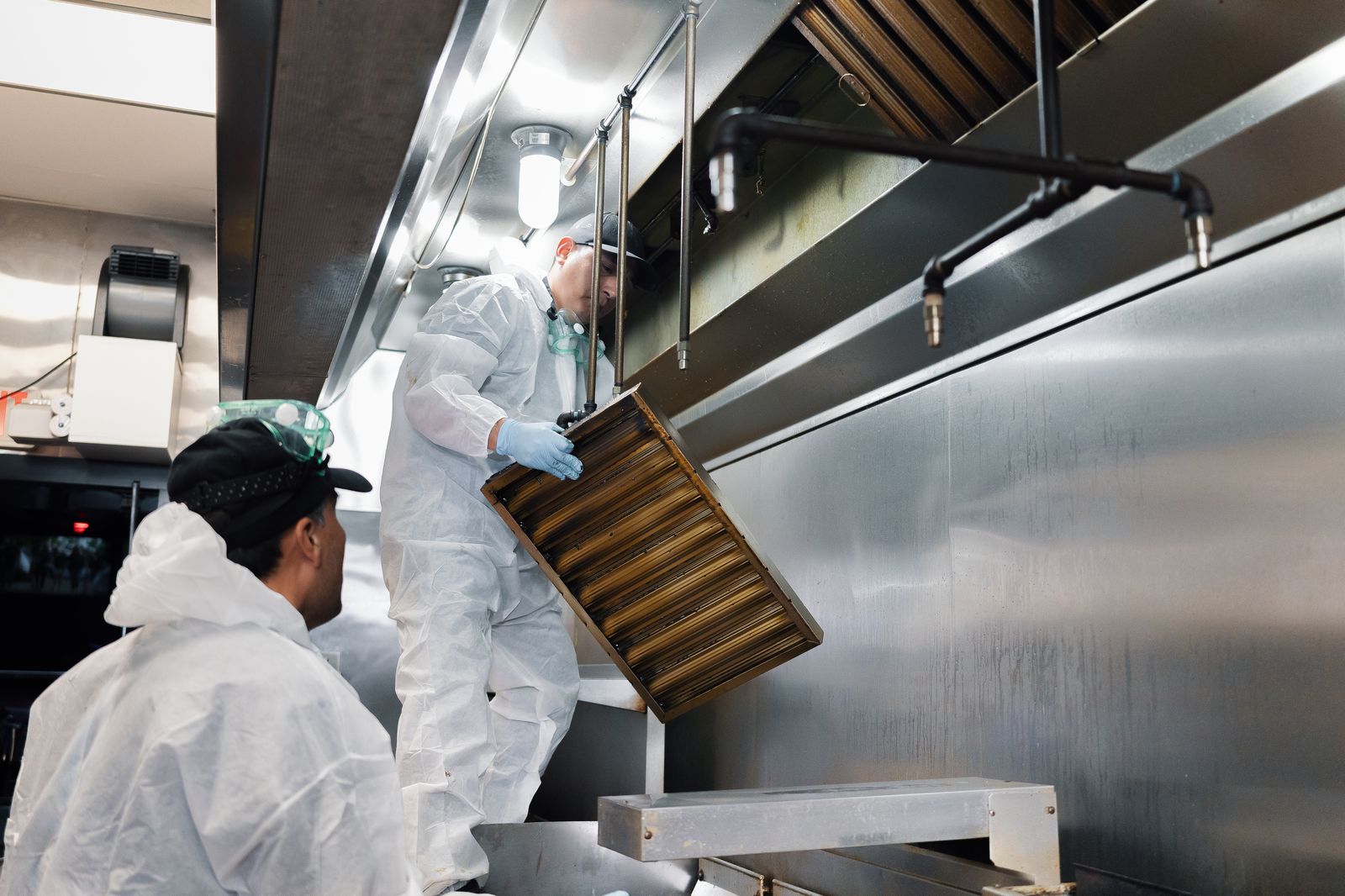
Surfaces covered, appliances off, then filters and the canopy.
Raleigh, NC · city and Wake County
Raleigh Fire Department lists restaurant hoods among the systems it inspects. That is the city. Step outside the limits into Wake County, or into Cary or Apex, and a different fire office may be reading the same North Carolina code. The hood still needs a date that matches how hard it cooks.
The city overview is commercial kitchen services in Raleigh.
The code is statewide. The inspector is local.
The useful local fact is narrow and official: Raleigh's fire department inspects restaurant hoods as part of fire protection for buildings in the city. Operators sometimes hear "NFPA 96" from that visit and go looking for a vendor who will only wash filters. The inspector is looking at the exhaust path, which includes the duct and the fan, and at whether you can show a date.
The metro makes the authority messy. Glenwood South is the city. A kitchen in Cary with a Raleigh-area manager is not. Garner, Morrisville, Wake Forest, and Knightdale each deserve a one-line check on who walks in. We would rather ask than print the wrong department on a report.
Health inspections are a second calendar. They care about food, temperatures, and cleanliness around the line. They are not a substitute for the hood record, and the hood record is not a substitute for them.
Raleigh's ordinances require commercial buildings to follow the North Carolina Fire Prevention Code. That code is how NFPA 96 shows up in a Raleigh kitchen. The hood inspection schedule is about checking grease levels on the hood and duct parts. Suppression maintenance is a different matter. If Raleigh has moved to a newer code edition, the section number may have changed and the distinction is the part to keep.
Read the Charlotte write-up if you want that distinction in more detail: hood cleaning in Charlotte. Then ask the Raleigh fire marshal, or Wake County if you are outside the city, which edition they are carrying. We will clean to the interval your menu and that office require. We will not invent a Raleigh amendment we have not read.
Surfaces covered, appliances off, then filters and the canopy.
Accessible duct and the rooftop fan when the hinge and the roof allow it.
The report can name Raleigh Fire or the county office you tell us inspects you, so the file is not labeled with a guess.
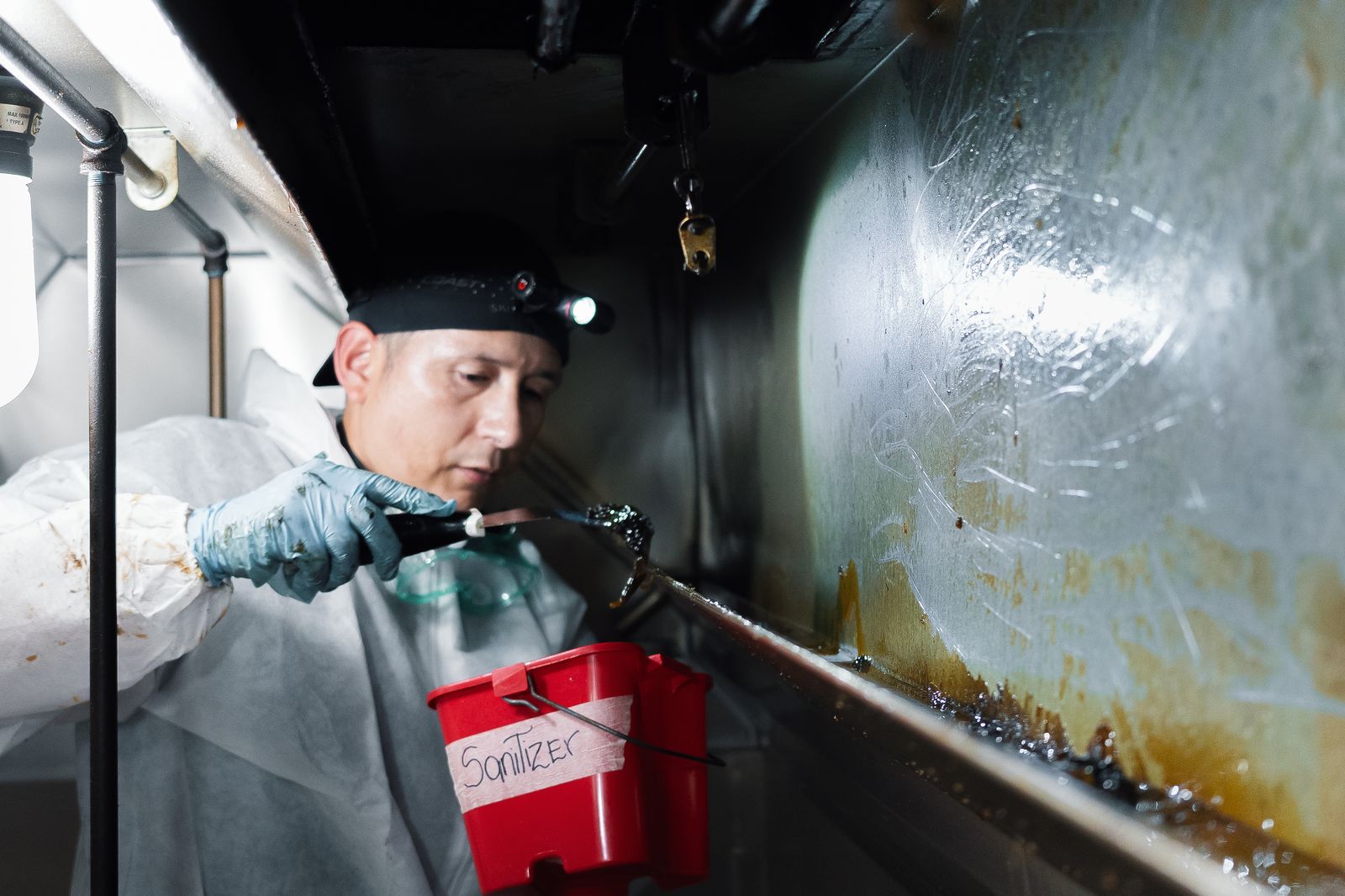
Canopy and fan. Late-night Glenwood roofs and daytime North Hills pads both get the same photo habit.
Downtown, Glenwood South, the Warehouse District, Five Points, North Hills, and Brier Creek.
Cary, Apex, and Morrisville. Assume a different fire department until you know otherwise.
Garner, Knightdale, and Wendell. Wendell has been served with county fire protection in some areas. Confirm it.
Wake Forest and Rolesville. Do not fold them into a downtown Raleigh interval without asking.
After the visit you have grease off the metal we reached, photos, and a date. If you told us the correct fire district, the note is aimed at that office. You do not have a health-inspection waiver, a suppression renewal, or a claim that every Wake County town uses one form.
Groups with a Raleigh store and a Charlotte store can use one company and should still keep two code conversations. The state code is shared. The inspector is not. Call (704) 970-7290 and book them as two jobs.
Yes. The city's fire department describes restaurant hoods as part of its inspection work, along with alarms, sprinklers, and other fire systems. Inside the city, that is the office to plan for. The Raleigh code of ordinances also points commercial buildings at the North Carolina Fire Prevention Code.
Cary and Apex run their own fire departments. Unincorporated Wake County is generally the Wake County Fire Marshal. A kitchen that staff call Raleigh because of the metro can still be someone else's inspection. Check the district before you file a sticker under the wrong name.
Follow the North Carolina adoption of NFPA 96 practice, and confirm the edition. The familiar rows are monthly for solid fuel, quarterly for high-volume char or wok and 24-hour cooking, semiannual for moderate restaurants, and annual for low-volume halls. The hood inspection schedule is about checking grease levels to see if cleaning is needed. It is not the suppression-service clock. See the Charlotte page for that distinction, then verify the table number locally.
Glenwood South and the Warehouse District run late. North Hills, Brier Creek, and Crabtree-area kitchens often combine shopping-center volume with more ordinary roofs. Downtown weekday kitchens track the state-office lunch rush. The cleaning steps match. The interval and the roof plan should not.
No. Wake County environmental health inspects food handling on its own schedule. We clean and document the exhaust system the fire marshal is asking about. We do not prepare a health-department score.
TruShine Services, (704) 970-7290, 1136 Louise Rd, Ste 115, Winston-Salem, NC 27107. Raleigh is serviced from that shop.
Raleigh is a Carolina hood page. The grease and oil pages in this batch are still Atlanta, because that is where those sample terms were requested.
Say whether you are downtown, in Glenwood South, in North Hills, or outside the city in Cary, Apex, or Garner. We will not guess the fire district from the word Raleigh.
Call (704) 970-7290 or send the form. TruShine Services, LLC is at 1136 Louise Rd, Ste 115, Winston-Salem, NC 27107.
Takes 30 seconds. We respond the same business day.