A scope, written down
The note says whether the canopy, filters, accessible duct, and fan were cleaned, or which of those were skipped and why.
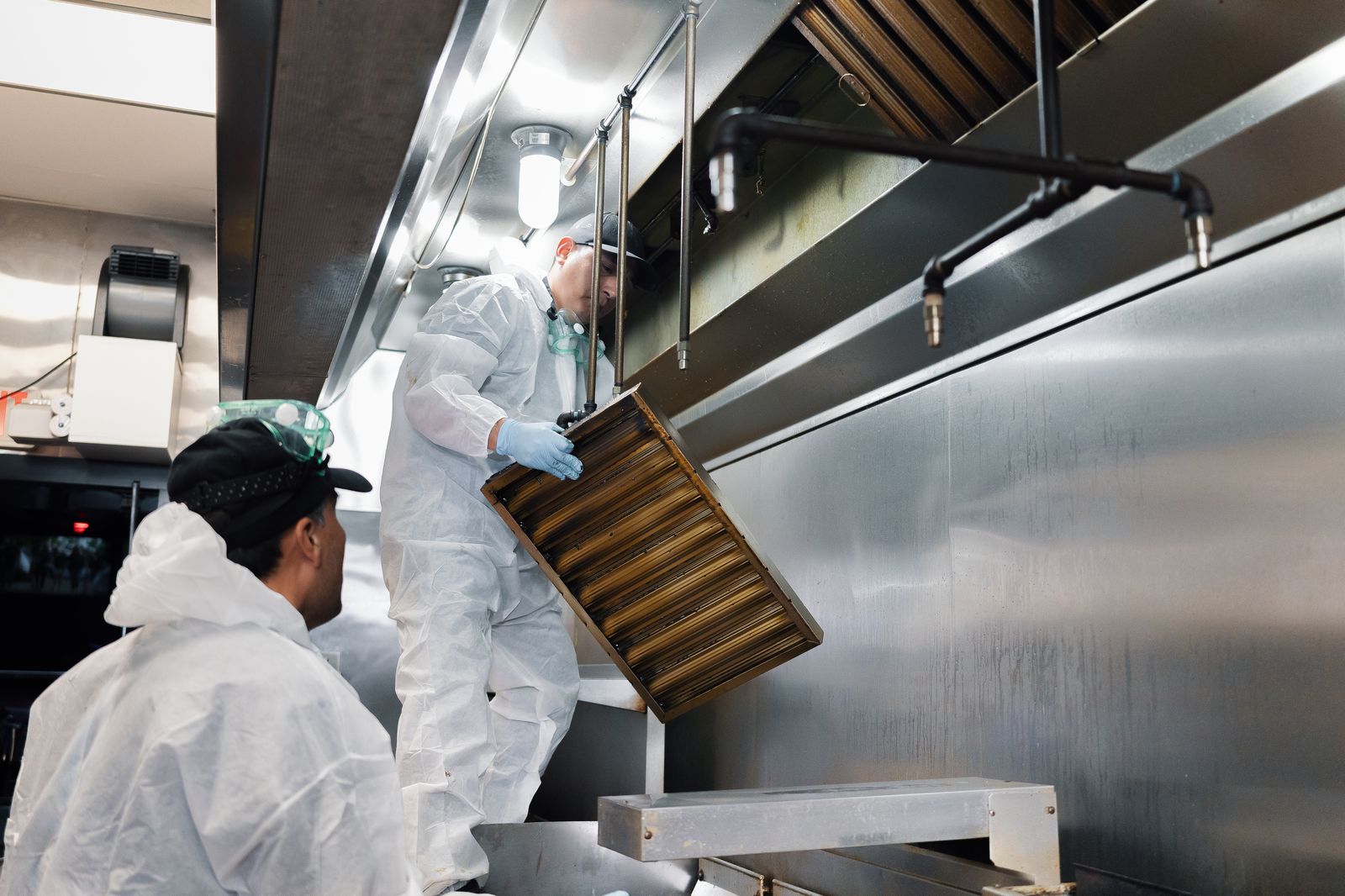
Atlanta, GA · the standard and the file
NFPA 96 is the standard for ventilation and fire protection of commercial cooking. It is not a certificate we hang on ourselves. In Atlanta, the practical question is whether your exhaust file matches what Georgia's fire code and Atlanta Fire Rescue ask to see.
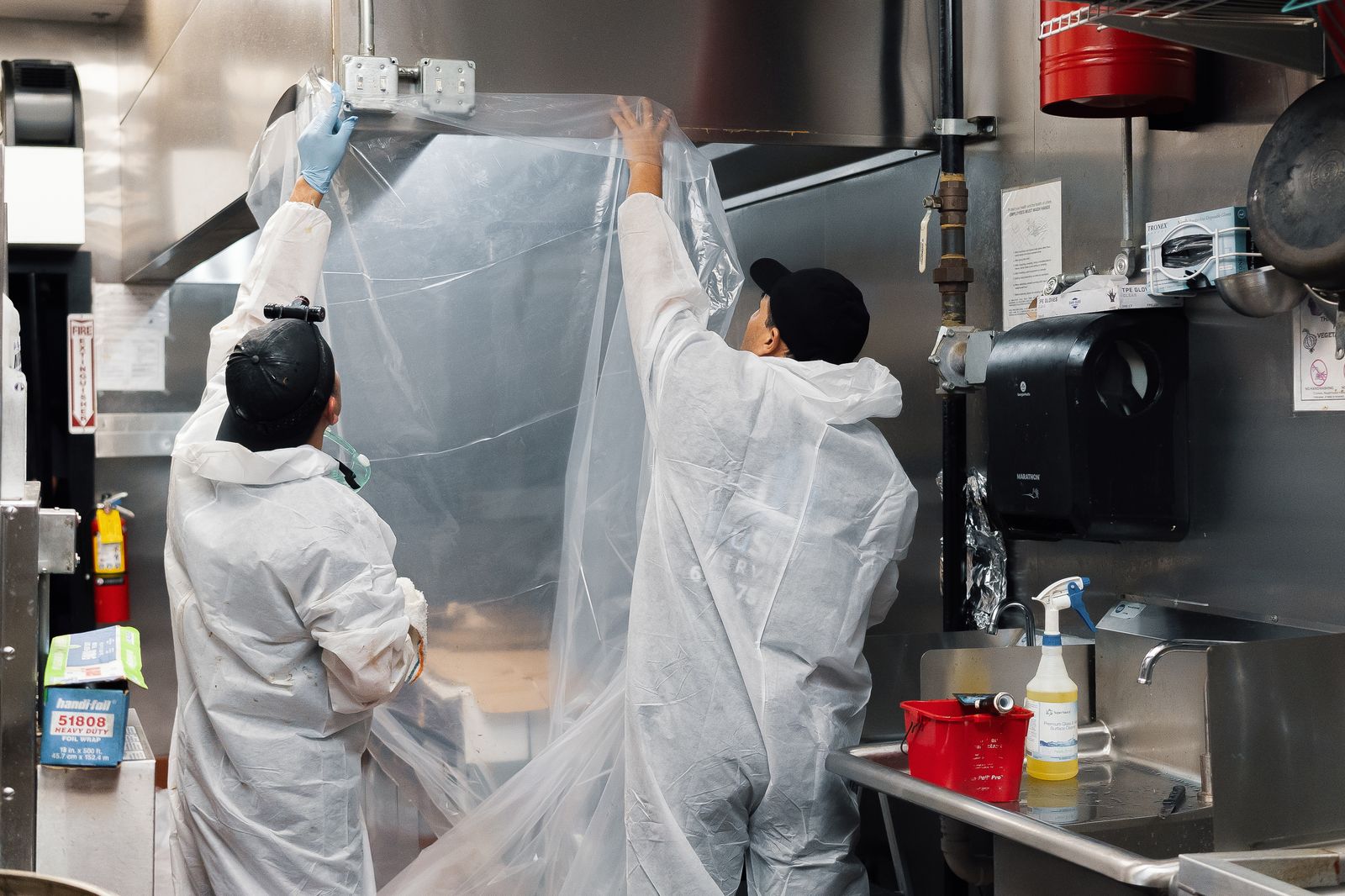
Compliance here means a date, a scope, and clean metal.
Operators search "NFPA 96 hood cleaning" because an inspector or an insurance reviewer used the name. The standard itself is about the whole cooking ventilation system: capture at the hood, grease removal, duct construction, roof fans, clearances, and the cleaning and inspection of that equipment. A filter wash with no note about the fan is a weak answer to that document.
Georgia's Safety Fire Commissioner adopts the state fire rules in Chapter 120-3-3. TruShine cleans to NFPA 96 practice. Day to day, Atlanta Fire Rescue is who walks into a city kitchen. They are applying the state fire prevention code, including the commercial cooking section, plus any local practice their office uses. If those layers ever disagree, the inspector in the room is the one to ask, not a webpage.
In the state's fire prevention code based on the 2024 International Fire Code, Section 606 covers commercial cooking systems. Table 606.3.3.1 sets inspection frequency:
The following subsection says that grease found on the hood, filters, fan, duct, or other parts is cleaned. Records of inspection are supposed to name who did it, what they looked at, and when. Cleaning records name who cleaned and when. Keep both on site.
This is a reading of the published state table for restaurant managers. It is not legal advice, and it is not a claim that every Atlanta station has finished adopting the 2024 edition. Confirm the edition before you rely on a row in the table.
The note says whether the canopy, filters, accessible duct, and fan were cleaned, or which of those were skipped and why.
The sticker and the report carry the service date. A blank or recycled sticker is not a record.
Before and after photos of the canopy and the fan give a manager something to show that is harder to argue with than a sentence.
We do not mark the hood record as if it renewed the wet-chemical system. That system has its own standard and its own vendor tag.
A charbroiler and a warming kitchen should not share a six-month assumption. The table above is the starting point. The menu is the correction.
We will not tell you the kitchen is certified, ranked, or guaranteed to pass. The inspector decides that on the day they visit.
The call usually comes from a general manager after a walkthrough, or from a multi-unit operator whose Decatur store and Midtown store were written up for different reasons. One is missing a fan photo. The other has a suppression tag and no hood date. The fix is the missing document, not a thicker brochure.
Groups with kitchens in Buckhead, West Midtown, and East Atlanta can keep one vendor and still keep different intervals. Say which stores run a wok or a charbroiler when you book. The Norcross crew can sequence the city so a quarterly store is not waiting on a semiannual one.
Hood cleaning and exhaust cleaning are the labor. This page is the reason the labor is documented. If you already know you need the metal cleaned, start at hood cleaning in Atlanta or kitchen exhaust cleaning in Atlanta.
It is the National Fire Protection Association standard for the ventilation and fire protection of commercial cooking. It covers how hoods, ducts, fans, and related fire protection are built, used, inspected, and maintained. Georgia adopts that subject through the Safety Fire Commissioner's rules and the state fire code.
No. We clean the exhaust system and write down what was done and when. We do not issue a third-party certification, a star rating, or a letter that says an inspector must pass you.
Table 606.3.3.1 in the Georgia fire prevention code uses four rows: monthly for solid fuel, every 3 months for high-volume cooking including 24-hour, charbroiling, and wok cooking, every 6 months for other cooking, and every 12 months for low-volume uses such as worship halls, seasonal businesses, and senior centers. Grease found at inspection is cleaned. The fire code official can require more.
A cleaning record with the company name and the date, photos if you have them, and the separate tag for the suppression system. The hood record does not replace the suppression record.
As published, it is an inspection frequency. Cleaning follows when grease has accumulated. Most Atlanta restaurants that cook every day clean on that same rhythm so the inspection does not discover a loaded duct. Your inspector's edition controls if the wording differs.
TruShine Services, LLC is at 6500 McDonough Dr, Suite A-4, Norcross, GA 30093. The phone is (678) 751-8871. The Atlanta page is the city we document against Atlanta Fire Rescue, not a second office address.
The standard is the reason for the cleaning. These are the visits and the nearby cities.
We will look at the hood, the fan access, and the dates already on your stickers. You leave with a clear list of what is due, not a score we invented.
Call (678) 751-8871 or send the form. TruShine Services, LLC is at 6500 McDonough Dr, Suite A-4, Norcross, GA 30093.
Takes 30 seconds. We respond the same business day.